

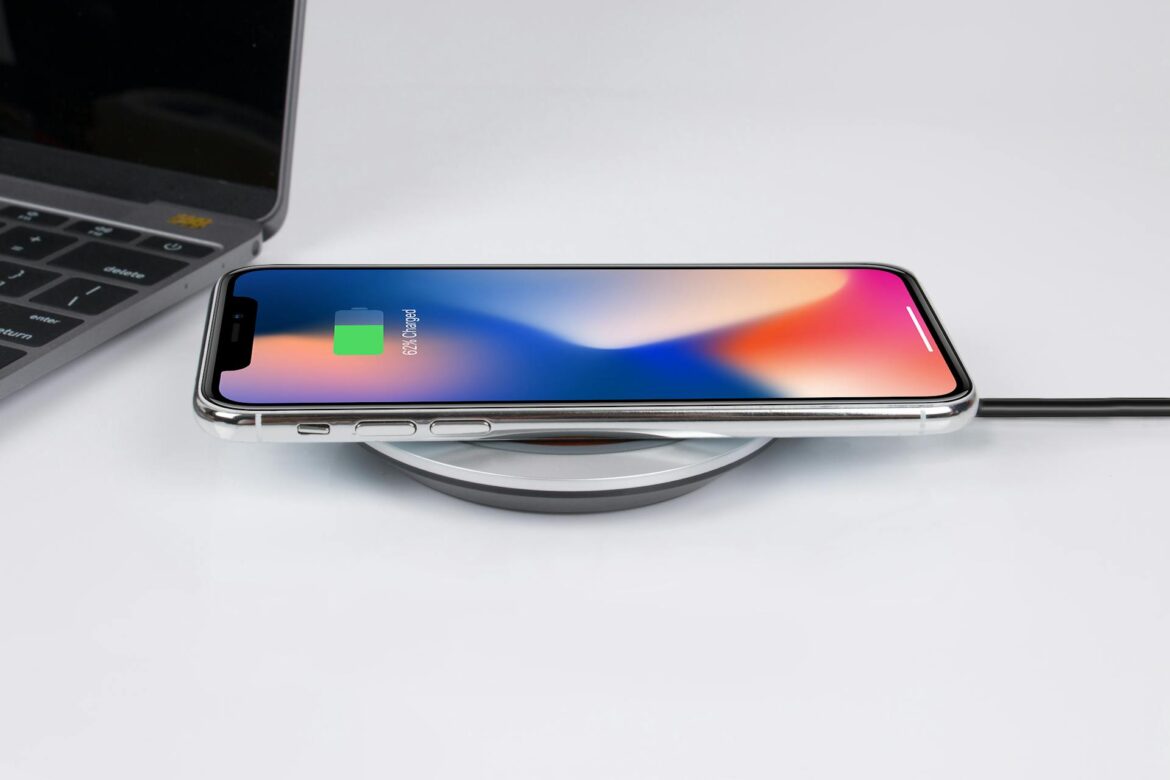
Myth 1: Leaving Your Device Plugged In Overcharges the Battery
A widespread belief exists that charging a phone or laptop beyond 100% will result in battery overcharging and subsequent damage. Modern devices contain built-in smart charging systems which automatically stop charging operations after the battery reaches its maximum capacity. Your device will not continue charging indefinitely when you connect it to the power source during overnight rest. The battery receives a trickle charge when its voltage drops below 100% while maintaining a steady voltage level. The battery remains at high charge levels longer when you avoid this practice which results in minor battery wear acceleration. It is recommended to maintain your battery charge between 40% and 80% for better health while you should avoid leaving devices on charge for long durations.
Myth 2: You Should Regularly Drain Your Battery to Zero
A widely held belief states that users must let their batteries completely drain before recharging for memory reset purposes. The old nickel-based battery advice does not apply to the lithium-ion batteries which exist in today’s market. Lithium-ion batteries experience shorter operational lives when subjected to deep discharge cycles. When your device reaches 20-30% capacity you should recharge it instead of waiting for it to reach zero. The practice of completely depleting your battery through repeated drain cycles will accelerate battery wear and decrease its operational capacity.
Myth 3: Fast Charging Always Damages Batteries
The convenience of fast charging is a concern for some people who fear it will damage their battery. The heat produced by fast charging remains a battery health concern but modern battery and charger technology includes safety features to manage this process. Using fast charging occasionally does not harm batteries but regular usage will cause heat damage which results in decreased battery lifespan. Fast charging should only be used when necessary while standard charging methods should be used for regular device use to extend battery life.
Myth 4: Any Charger Will Do
Using any available charger seems harmless but it can cause battery damage or safety hazards when using incompatible or low-quality chargers. You should use only chargers and cables that have earned certification for your device to obtain the correct voltage and current settings. The use of substandard chargers increases the danger of battery destruction because they fail to provide overcharge protection and proper heat management systems.
The Real Battery Killers: Heat and Extreme Temperatures
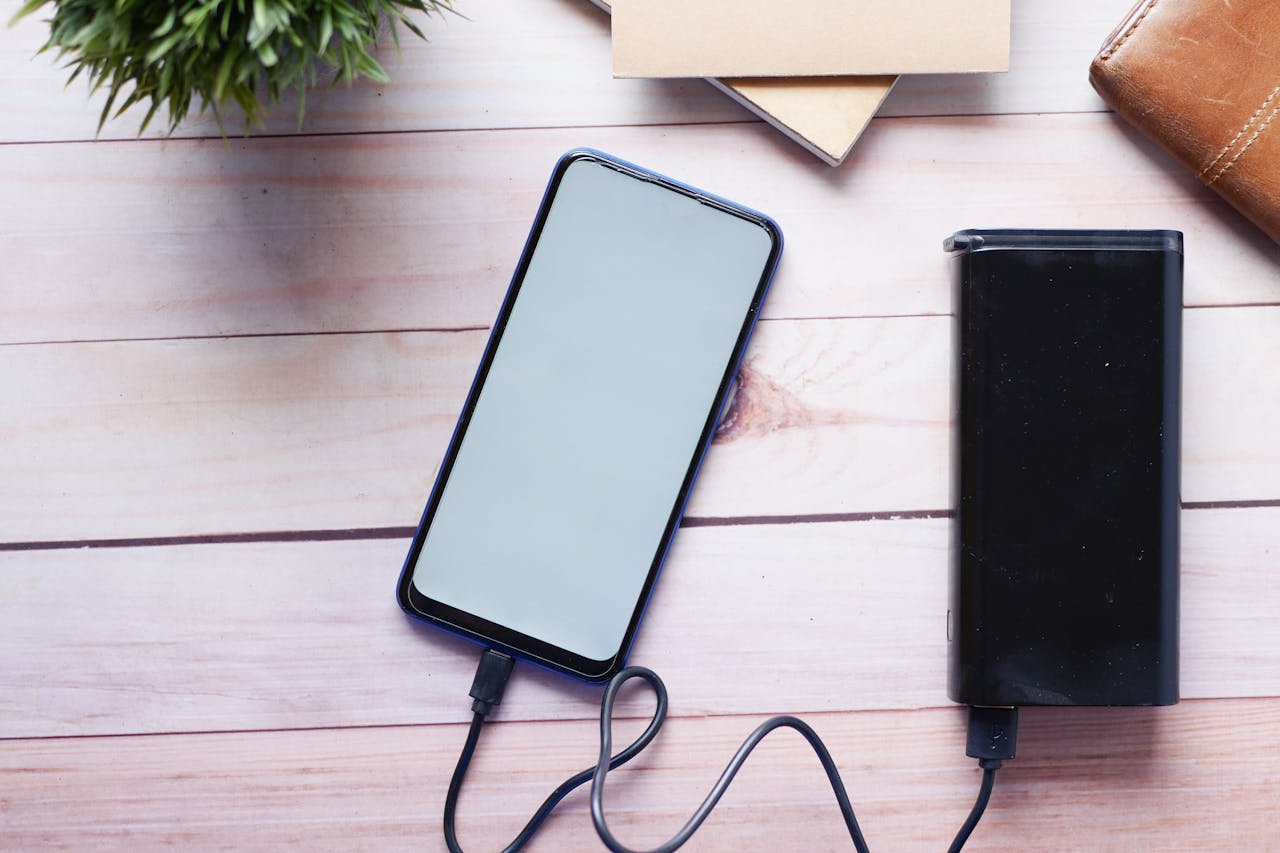
The main factor responsible for battery deterioration is heat exposure. Leaving your device in direct sunlight or hot car conditions or using it while charging can cause battery cell damage through elevated temperatures. Temperature drops can briefly affect battery performance but heat exposure leads to permanent battery damage. For optimal results store and charge your devices in ventilated spaces at room temperatures while keeping them away from extreme temperatures.
Overcharging and Battery Management Systems
Modern lithium-ion batteries receive protection from built-in BMS systems and smart chargers which prevent actual overcharging from happening. These systems monitor voltage levels to stop charging operations at predetermined points which avoids hazardous overcharging conditions. The battery experiences stress and its lifespan shortens when you maintain constant 100% charge levels or expose it to excessive voltages although immediate failure is not likely to occur.
Conclusion: Smart Habits for Battery Longevity
Maintaining your battery health requires you to stay away from hot and cold temperatures and avoid complete battery drains while using reliable charging equipment and keeping the charge level between 40% and 80%. Using fast charging and keeping devices connected overnight during charging will not cause damage if you use it sparingly but maintaining low battery temperatures and avoiding high charge states will make your battery last longer. Modern devices have become smarter but your existing practices remain vital for their operation.